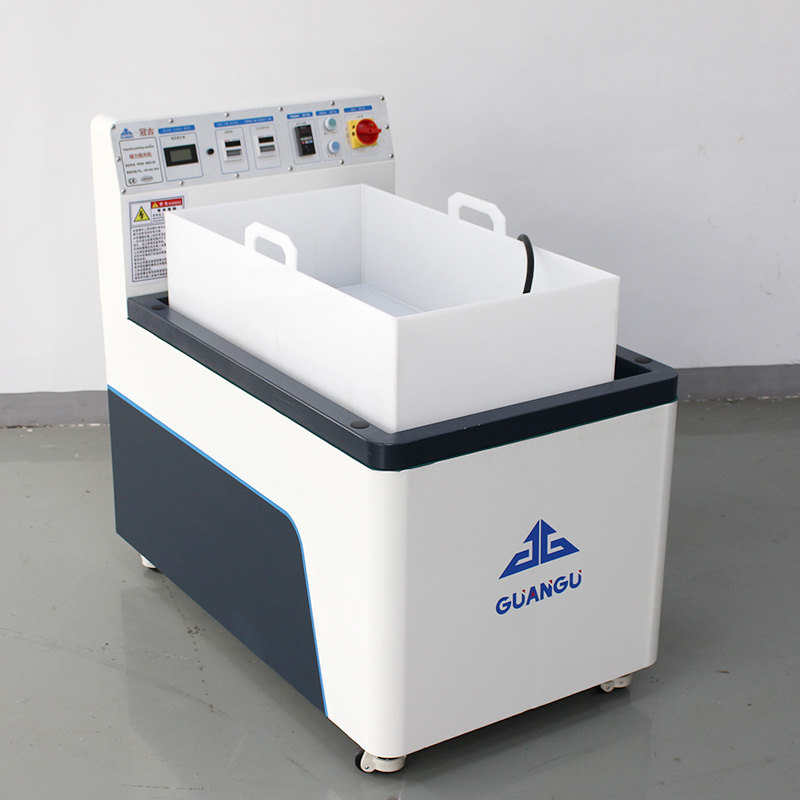

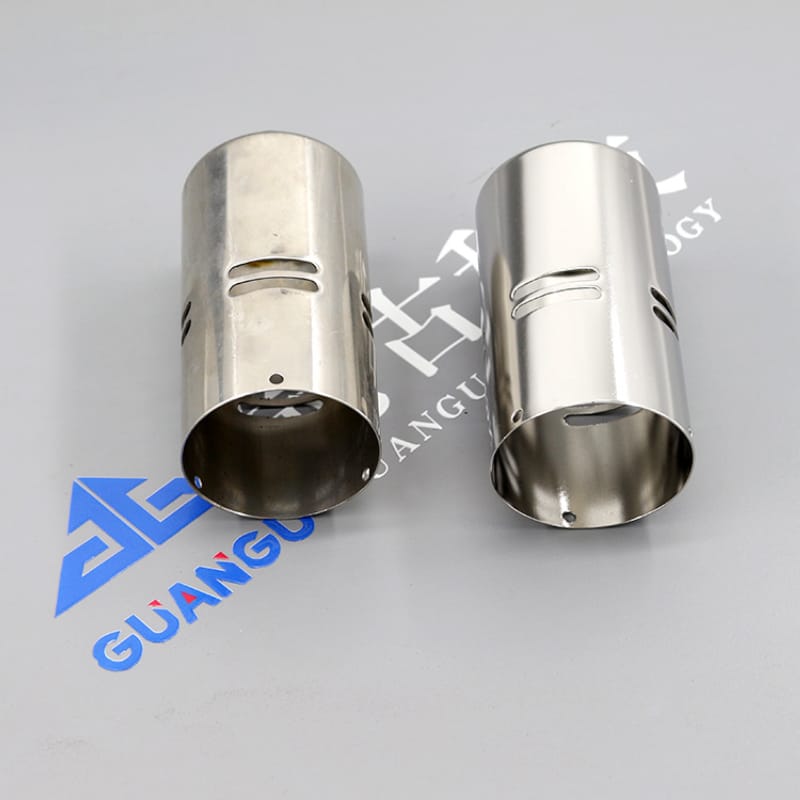

Because you’re doing it wrong – today I’ll show you the “right way” to use a magnetic polisher.
Hello everyone!
Meine Freunde in der Branche der Präzisions-Hardwareteile und Metallkomponenten stellen mir oft dieselbe Frage: Ist es wirklich so schwer, Kupferteile zu polieren?
Insbesondere bei der Verwendung einer Magnetpoliermaschine erleben einige oft folgendes Szenario: Die Grate werden nicht gründlich poliert, und die Kupferteile werden nach dem Polieren schwarz. Sobald Kupferteile schwarz sind, ist der gesamte Chargenabfall fällig.
Tatsächlich liegt es nicht daran, dass Ihre Magnetpoliermaschine nicht gut genug ist,
sondern daran, dass Sie sie falsch verwenden.
Heute werde ich mit Ihnen eine Reihe von Magnetpolier-Techniken für Kupferteile teilen. Es wird nur 3 Minuten dauern, diesen Artikel zu lesen, aber Ihre Magnetpolierqualität wird garantiert um über 50 % verbessert.
Schritt 1: Überspringen Sie diesen Schritt niemals, sonst sind alle folgenden Bemühungen vergeblich.
Manche Leute geben ölverschmierte Kupferteile direkt in ein magnetisches Polierfass. Die Folge: Die Polierflüssigkeit wird schwarz, die Edelstahlstifte riechen übel, und die Kupferteile werden ebenfalls schwarz.
Die Entfettung von Metallteilen ist der allererste und wichtigste Schritt beim magnetischen Polieren.
Kupfer ist ein edles und relativ weiches Metall. Wenn seine Oberfläche mit Öl bedeckt ist, kann die magnetische Polierflüssigkeit nicht direkt auf die Kupferteile einwirken. Schlimmer noch: Das Öl haftet aufgrund der schnellen Reibung an den Kupferteilen und verkohlt, wodurch unschöne „Oxidationsflecken” auf der Kupferoberfläche entstehen. Daher ist es von größter Bedeutung, das Oberflächenöl von Kupferteilen zu entfernen. Verwenden Sie einfach Spülmittel oder ein Entfettungsmittel, um die Kupferteile zu reinigen. Dieser einzige Schritt löst 80 % der Probleme mit geschwärzten Kupferteilen.
Schritt 2: Überfüllen Sie das Fass nicht – langsam bedeutet schnell
Manche Leute geben so viele Teile wie möglich in das magnetische Polierfass, weil sie glauben, dass die Arbeit umso schneller erledigt ist, je mehr Teile poliert werden.
Das ist ein weit verbreiteter, aber ziemlich lächerlicher Trugschluss.
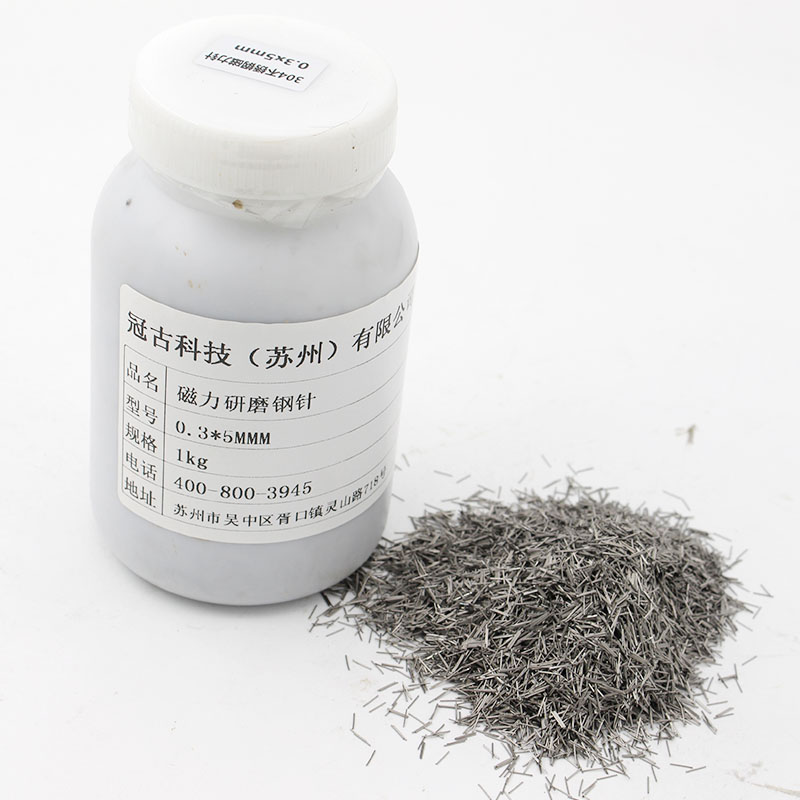
Das Funktionsprinzip einer Magnetpoliermaschine bestimmt, dass man eine angemessene Menge magnetischer Stahlstifte verwenden muss, damit sie effektiv jede Ecke der Metallteile polieren können. Wenn das magnetische Polierfass überfüllt ist, können die magnetischen Stahlstifte nicht mehr direkt auf alle Metallteile einwirken.
Mein Rat ist, die Menge der magnetischen Stahlstifte unter 30 % des Fassvolumens zu halten. Dadurch erzielt die Magnetpoliermaschine einen besseren Poliereffekt.
Wie das Sprichwort sagt: Langsam bedeutet schnell, und weniger ist mehr.
Schritt 3: Wie stellt man die Parameter ein? Merken Sie sich zwei Zahlen
Copper is a relatively soft metal and therefore requires different treatment than stainless steel parts. Using the same parameters – maximum speed and a polishing cycle of 20 to 30 minutes – to polish copper parts will result in dimensional shrinkage, scratches, and thermal blackening.
The key to polishing copper parts lies in low-temperature and short-term polishing.
Specifically, the polishing time should be limited to 3–6 minutes, the speed set to 30–40 Hz, and the water temperature should ideally be below 50 degrees Celsius. The most critical parameter is the water temperature. If the water in the polishing barrel feels hot, you must change it immediately, as high temperatures lead to rapid oxidation of the copper parts.
Step 4: Which polishing fluid to choose? Ideally, use purified water!
Tap water in most areas is quite hard and contains a certain amount of chloride ions, which can severely corrode copper. Using ordinary tap water to polish copper parts is counterproductive, as it simultaneously polishes and corrodes them.
A practical solution is to use purified water along with a special copper polishing fluid to achieve a shiny golden finish. While this method is somewhat more expensive, it’s worth the investment because the end product looks fantastic.
III. What to do if a specific problem occurs? See this table.
Suppose certain problems arise. What can you do? Check this table:
| Problems | Possible causes | My suggestions |
| Blackened / matte surface | 1. No degreasing 2. Water too hot 3. Hard water | Switch to purified water; check the time is under 30 minutes; avoid hot water. |
| Hard-to-reach corners are not reached. | Pen too large | Use 0.3 mm stainless steel pins; the smaller, the better. |
| Lower brightness | Speed too high – overpolished parts | Slow down! Copper is not iron! |
| Strong vibrations | Too many stainless steel pins | Reduce the number of stainless steel pins |
Finally, here is my summary for you:
When polishing copper parts, always remember: remove oil, use purified water, control temperature and reduce time.
As long as you follow the four principles mentioned above, the copper parts polished in your magnetic polishing machine are guaranteed to look shiny and golden – so radiant that every customer will be tempted to buy them.
Try this method for polishing copper parts now!
Further information on polishing copper can be found on Wikipedia – Polishing .
Discover our magnetic polishing machines in our shop. For more information, please consult our knowledge base or contact us directly .
No account yet?
Create an Account